







The Citizen Bulletin is a hyperlocal digital news outlet dedicated to accountability journalism, solutions-focused reporting, and data-driven storytelling for the great region of Matabeleland. Join our WhatsApp Channel here.
HWANGE (The Citizen Bulletin) — Rosemary Shoko, 60, cautiously lowers her container into the Deka River and scoops a water sample. She tests the murky water with a stick, her face falling as it confirms the river is heavily polluted once again.
“We’ve taken water monitoring into our own hands to stay alert for pollution and push for action against these companies,” says Shoko.
The Deka, a Zambezi tributary, has been contaminated by metals and industrial waste from local coal mines and a power plant, exposing villagers who rely on it to health risks. Untreated sewage also flows into the river.
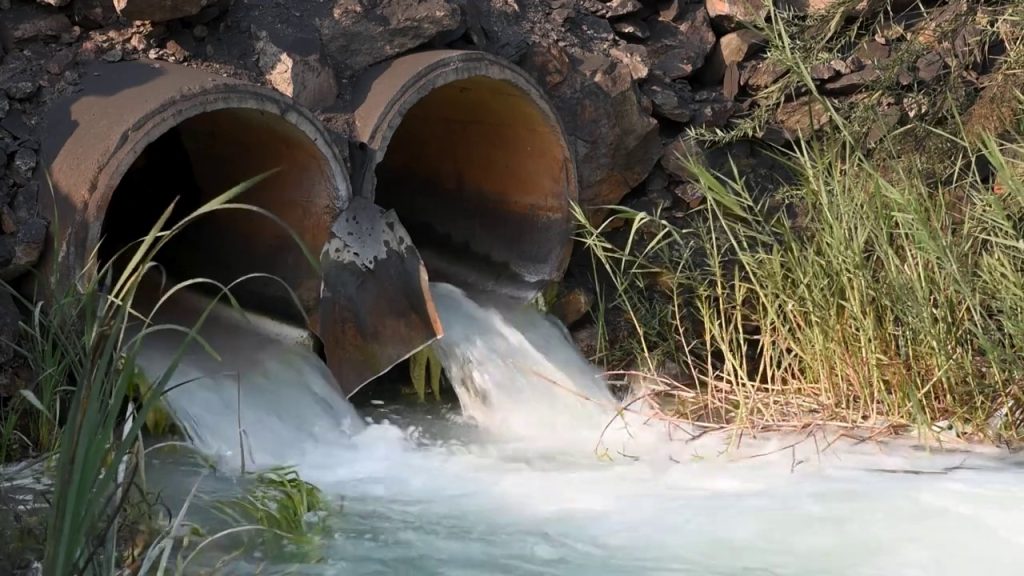
For over a century, this bituminous coal mining region near Zimbabwe’s western border has channeled mining and processing effluents into the Deka. Reports say the river’s water quality has deteriorated over the years, evidenced by frequent fish kills.
The Deka supplies Mashala, Zwabo-Mukuyu, Chachachunda, Kasibo and Mwemba before joining the Zambezi. It’s a lifeline for livestock watering, reed harvesting and local fishing – often the sole protein source. With boreholes scarce, villagers also drink its waters, despite health concerns.
Some report livestock miscarriages or stomach pains and rashes from the river. “They should drill boreholes so we have safe water,” one villager says anonymously, fearing reprisal.
“Mining surrounds us, polluting our river for fishing, chores and lives,” laments Shoko.
Shoko, trained by the University of Zimbabwe and ETH Zurich researchers, is among 13 monitors sampling river waters.
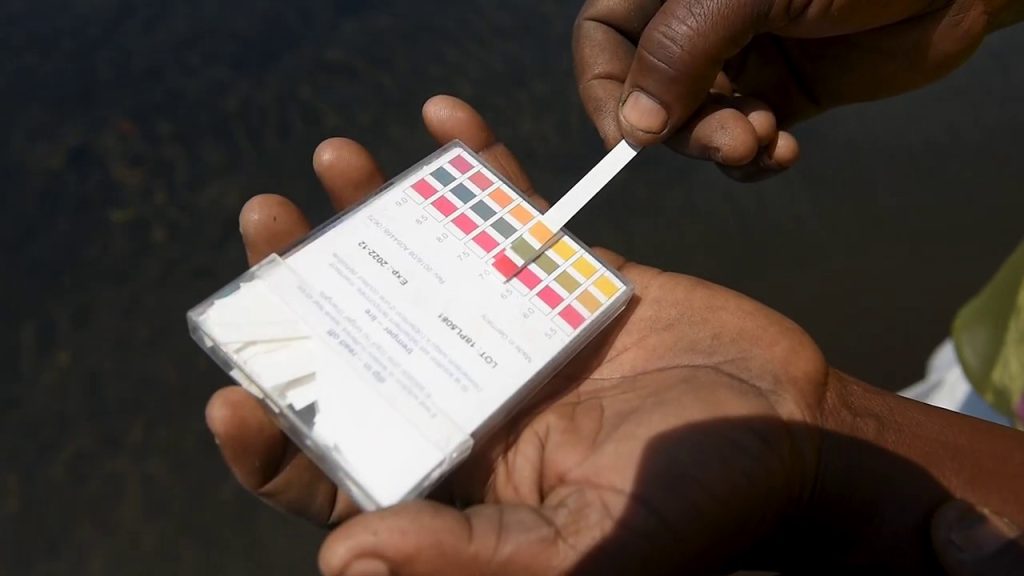
In over 800 samples from the Deka, tributaries and waste sources, their collaboration addressed knowledge gaps between pollution causes and impacts. Automatic sensors were also installed. Fish were tested to assess risks to the local diet.
Researcher Desire Ruppen says results show the water shouldn’t be consumed. “Downstream of mining discharge, manganese and nickel exceed safe levels for human health,” he warns.
At a stakeholder meeting, the community science project generated interest.
“Presenting our findings empowered engaged advocacy, yielding boreholes as short-term relief,” says Shoko.
But Zvabo-Mukuyu monitor George Ncube says accountability efforts often face resistance.
“Companies acknowledged pollution but blamed each other, not committing to solutions.”
GEORGE NCUBE
Sampling implicated acid mine drainage from abandoned underground mines and active site dumping in the annual fish deaths. The data directly linked river contamination to mining legacy and current activities.
A Hwange Colliery representative says the company is using treatment plants and well sealing but called contamination an ongoing fight against long-term industrial impacts. River challenges remain immense.