







The Citizen Bulletin is a hyperlocal digital news outlet dedicated to accountability journalism, solutions-focused reporting, and data-driven storytelling for the great region of Matabeleland. Join our WhatsApp Channel here.
HWANGE (The Citizen Bulletin) — Joshua Mpala (25) rows his boat to the shore of a tributary of the Zambezi River in Makwa, Hwange district, alongside his 61-year-old father, Naison. Today’s fish haul is disappointingly low as competition for the aquatic resource intensifies.
Naison, once a renowned farmer, tilts his brimmed hat to shield his eyes from the blazing sun, a stark reminder of the drought’s impact on his crops.
Records show that Zimbabwe is already feeling the effects of climate change, particularly rainfall variability and extreme weather events. These conditions, combined with warming trends, are expected to make land increasingly unsuitable for agriculture, posing a major threat to the economy and the livelihoods of the poor due to Zimbabwe’s heavy reliance on rain-fed agriculture and climate-sensitive resources.
“This year we got absolutely nothing from the fields; the rains were erratic and since we rely on agriculture, we were left exposed. We are now relying on fishing in dams and small rivers to support our family’s livelihoods, but the river where we fish is overwhelmed,” says Joshua.
As climate change impacts Zimbabwe, leaving a trail of food insecurity, destruction, and misery, some communities in Hwange are turning to fishing as an alternative survival strategy. Fisheries are becoming one of the primary sources of livelihoods, food and nutrition security in the area.
Climate change has resulted in weather-induced phenomena like El Niño, which brings prolonged droughts and heatwaves, leaving a trail of devastating impacts. The Zambezi River Basin is considered highly vulnerable to the impacts of climate change and adverse weather events, which could cause serious environmental, economic, and social consequences for millions of people.
Communities that rely on rain-fed agriculture are now turning to fishing for both food and income, leading to overfishing in the tributaries of the Zambezi River in Hwange and Binga districts. Perceived changes in climatic variables have led to a decline in fish productivity and catches. Zimbabwe’s economic decline has added to the crisis as more villagers and informal traders turn to fisheries for income.
“We used to fish in this river when I was a boy, and it was teeming with fish. But now, many people are turning to fishing for their livelihood and nutrition. People have no choice but to seek ways to survive. The government hasn’t started distributing food aid, and things are already tough.”
Naison, 61-year-old man
The government has declared the El Niño-induced drought a national disaster, with $2 billion required for humanitarian assistance to feed 6 million food-insecure people. Africa is widely recognized as one of the most vulnerable regions in the world due to widespread poverty, limited coping capacity, and its highly variable climate.
Agriculture’s sensitivity to climate-induced water stress is likely to intensify existing problems of declining agricultural outputs, economic productivity, poverty, and food insecurity, particularly affecting smallholder farmers.
Studies show that natural ecosystems, livelihoods, and the food and nutrition security of people dependent on climate-sensitive resources will be severely affected by observed and projected climate trends and the increased incidence of extreme weather events.
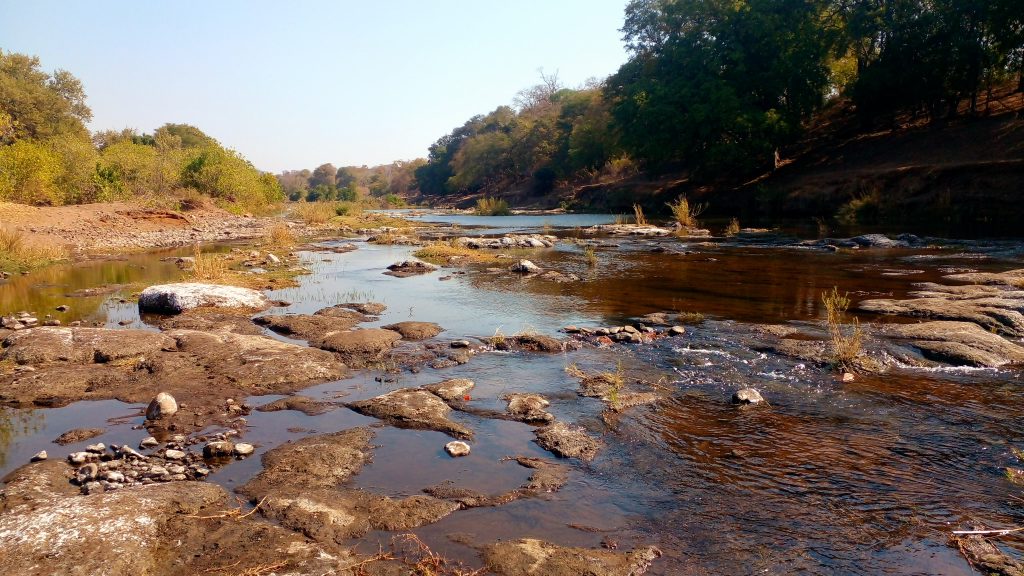
Susan Ncube, a farmer by trade, joins scores of villagers at a river in Simangani. She uses a mosquito net converted into a fishing rug to scrounge through the murky waters of the Deka River. The agricultural crisis in Zimbabwe has forced her to turn to fish poaching to supplement her meager food stocks, which are on the brink of depletion.
“We used to depend on donors for food aid, but we haven’t received anything. The government recorded those in need of food, but distribution seems to be taking too long. Things are hard, and it’s a matter of luck. My catch is getting smaller by the day because almost everyone from my village has joined in the fishing,” Ncube says.
Most villagers in Hwange suffered significant losses due to erratic weather patterns. The rainy season was delayed, which initially prevented their crops from growing properly. When the rains did arrive, they were intense and caused flooding in the fields. However, the rains then stopped abruptly, leaving the crops to wither under extreme heat and drought conditions.
Another farmer-turned-fisherman, Jason Mudimba from Chachachunda, says they are already seeing the direct impacts of climate change, with fish seeking refuge from either habitat destruction or warming waters.
“There are a lot of people now fishing in the river, and as a result, fish stocks seem to have declined compared to 10 years ago. I used to fish here when I was a boy, and there were plenty of fish, especially tigerfish. But lately, it seems something is happening. Maybe it’s the extreme heat deterring the fish from coming up.”
Jason Mudimba
Mudimba believes the decline in fish stock is due to overfishing, as more people turn to fishing following a failed agricultural season.
“Many people are venturing into fishing to compensate for the losses they incurred due to the drought,” he adds. “Things are tough for a lot of people, which is why they are now fishing to eke out a living and avoid starvation.”
Simangani Ward Councillor, Lethokuthula Ngwenya, acknowledged that many people, including women, were turning to fishing as a source of livelihood.
“Women, who bear the brunt whenever disasters like the current drought strike, are also joining men in fishing. The impacts of the drought are being felt in these communities, most of which rely on growing drought-resistant grains such as sorghum and millet. Actions and policies are needed by local authorities to ensure the sustainability of fisheries resources,” she says.
ZimParks ecologist Terence Magqina says that while climate change is impacting the country’s fish industry, overfishing and over-exploitation are contributing to the decline in fish stocks.
“Yes, climate change has contributed to the depletion of our fish stocks due to rising temperatures, which affect productivity. However, from the several studies we have conducted, we discovered that the main factor has been overfishing, especially poaching,” he explains.