







The Citizen Bulletin is a hyperlocal digital news outlet dedicated to accountability journalism, solutions-focused reporting, and data-driven storytelling for the great region of Matabeleland. Join our WhatsApp Channel here.
HWANGE (The Citizen Bulletin) — Smoke and coal fines billow into the sky from chimneys at a coal processing plant in Lukosi village in Zimbabwe’s Hwange district. A few kilometers inland, another plant spews its contents, while ongoing mining releases coal dust into the atmosphere, enveloping the sky.
Workers and villagers go about daily life near open-pit mines, oblivious to air pollution from coal dust, according to residents. With recent investment in mining, mostly from Chinese companies, Hwange has experienced economic growth. The government has touted job creation under its “Zimbabwe is open for business” policy.
In the past two decades, small and medium Chinese-Zimbabwean joint ventures have received coal mining concessions. Most coal powers Zimbabwe’s largest thermal plant in Hwange. The rest is used industrially. Over 14 largely Chinese companies have licenses to extract and process coal, with most operations starting recently.
While development has benefits, communities and health experts express concerns over coal dust pollution’s health risks, including pneumoconiosis.
Pollution complaints often cause conflicts between mines and local communities. Impacts like tailings and effluents burden areas long after mining ends, residents say.
“Every day we face air and noise pollution from a Hwange Colliery contractor mining within 200 meters of a school and homes, with coal dust reaching communities,” says Timothy Ndlovu, a resident of Lusumbami village.
Experts warn inhaling fine particles 2.5 microns or less in size — called PM2.5 — can damage lungs, hearts and brains and cause illness.
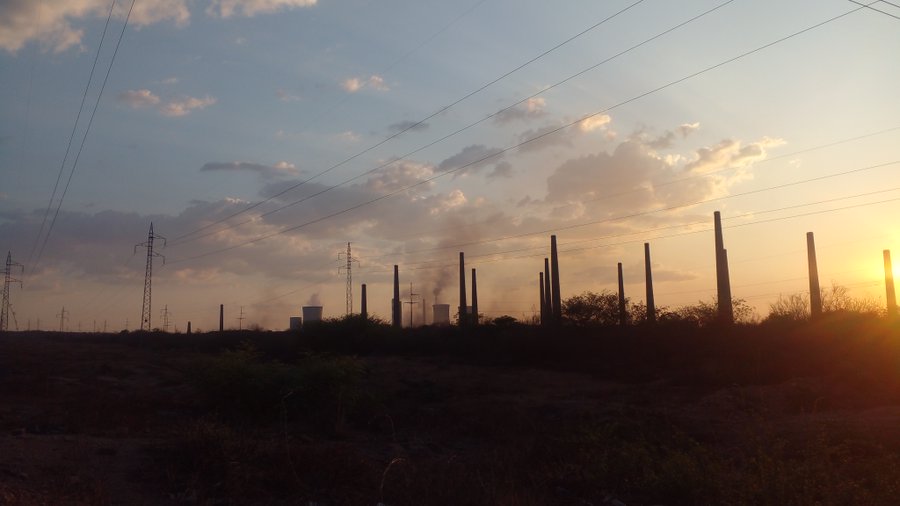
Workers in industries like coal, asbestos and power generation face high pneumoconiosis risks, which include asbestosis, silicosis and coal workers’ pneumoconiosis.
While Zimbabwe’s Pneumoconiosis Act mandates dusty workplace inspections, companies often ignore the law, which also doesn’t require testing dependents despite community exposure, residents and health experts say.
It can take 15 years for illness to develop in migrant miners, who often return home for treatment in rural clinics where illness goes unnoticed.
Greater Hwange Residents Trust program manager Sithembinkosi Ndlovu says women and children suffer most respiratory illnesses. The group petitioned parliament to amend the act and strengthen pollution regulation.
As Zimbabwe licenses more mines under its US$12 billion mining goal including $1 billion from coal, communities bear health costs amid allegations of lax oversight, experts say.
Villagers say mines reduce crop yields and quality through coal fines polluting fields and soil. Environmental experts warn fines threaten plant life if uncontrolled at mines.
The Centre for Natural Resource Governance says Hwange pollution levels shock the conscious. “Companies here don’t even care for employees, let alone others,” says director Farai Maguwu, urging higher fines to incentivize compliance over paying penalties.
Residents say the situation has grown dire as the dust infiltrates even homes and food sources.
“We see coal particles settling on our vegetables – an important source of nutrition here. If not washed properly before eating, this poses serious health risks.”
a resident who spoke on condition of anonymity
Dust blows in from nearby mines like Dinson Colliery, Mugatech and Zimbabwe Zhongxin Coking Company, according to residents.
The communities, with help from the Center for Natural Resource Governance, have developed a toolkit to collect pollution data. By gathering and sharing this information with the Environmental Management Agency, they pinpoint companies violating regulations. here
Attempts to get a comment from local government authorities overseeing the mining operations were unsuccessful.