







The Citizen Bulletin is a hyperlocal digital news outlet dedicated to accountability journalism, solutions-focused reporting, and data-driven storytelling for the great region of Matabeleland. Join our WhatsApp Channel here.
HWANGE (The Citizen Bulletin) — The unrelenting sun beats down on Constance Ndaba (65) as she casts a hopeful glance towards a large white jar tank brimming with water. Normally, March wouldn’t feel like a scorching October, but heatwaves are gripping the country, sucking the moisture from the earth. Previously, a 2-kilometer trek awaited her to reach the nearest borehole after the one near her home dried up.
“Extreme temperatures since last year have parched my usual borehole,” Ndaba says, collecting a bucketful from a tap behind her bedroom hut. “Unpredictable rains are making the future uncertain, but I’m grateful for this solution that will make a big difference.”
Shifting Rainfall Patterns
Rainfall patterns in Zimbabwe were once predictable and reliable. Now, long, dry spells are plaguing the land, leaving people questioning when the rains will return. Water scarcity intensifies as climate change tightens its grip on the country. “The once-perennial Gwayi River flowed year-round,” Ndaba recalls. “Human-wildlife conflict over water was rare. Now, everything’s changed.”
The Toll of Water Scarcity
Most rural Zimbabweans are facing acute water shortages for both domestic use and agriculture. El Niño-induced droughts, overreliance on aid, and inadequate government water infrastructure are worsening rural poverty. El Niño, a warming of the sea surface, brings drought conditions prevalent in Zimbabwe, impacting crops and water sources.
Climate change, with its extended droughts, floods, and heat spells, is considered the biggest threat to humanity. Zimbabwe, like many African nations, is grappling with the effects of climate change. The Harare administration is struggling to develop coping mechanisms, often requiring significant funding.
Hope Springs Eternal
Communities in Hwange, Matebeleland North province, haven’t been spared. The arid district receives little rain, making its poor soils unsuitable for agriculture. The 2022 Zimbabwe Vulnerability Assessment report classifies Hwange as food insecure. Villagers are struggling for potable water, often walking long distances as traditional waterholes and boreholes have dried up due to climate change. Heat stress, another consequence, is harming the health and livelihoods of vulnerable groups like women and children.
Mabale ward is particularly affected. The semi-arid area experiences high runoff, preventing rainwater from soaking into the ground. Here, the community has found a solution: rainwater harvesting. During the rainy season, a simple system of large jars captures the rainwater.
Reaping the Benefits
Villagers in Mabale are employing rainwater harvesting to combat flooding and drought worsened by climate change. Rainwater harvesting, an alternative clean water source, involves installing catchment systems at homes and shared spaces.
Privilege Tembo, a local woman, sees hope in rainwater harvesting. She highlights how it has empowered women in her community. “When our tanks are full,” she explains, “we also use drums to collect rainwater for use in watering our nutrition gardens which helps in supplementing our food. We are able to support our families from the income that is generated by sales from our garden produce.”
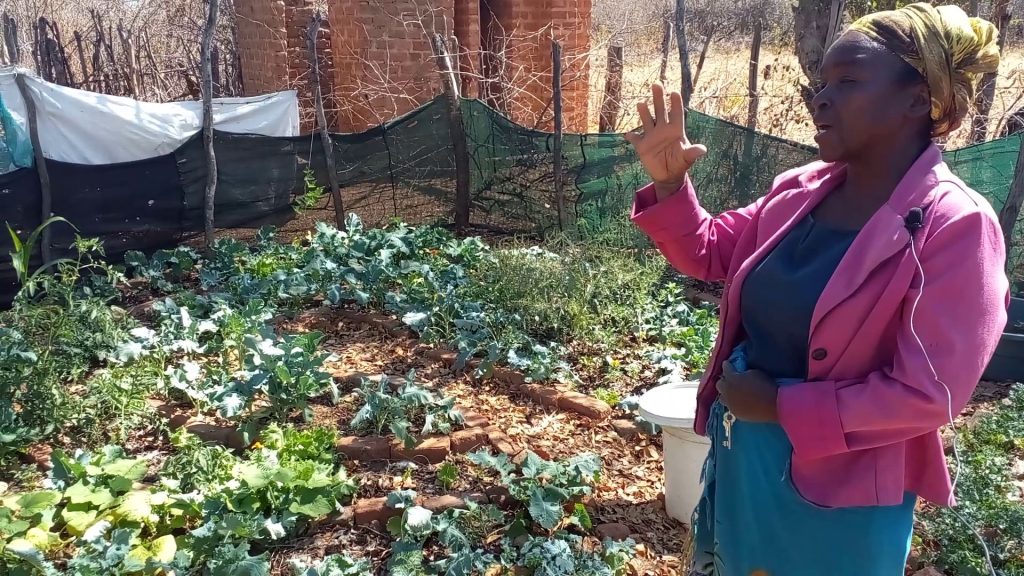
Environmentalist Daniel Sithole of Green Shango Trust also believes rainwater harvesting is crucial. “The attainment of the Sustainable Development Goals (SDGs) largely depends on the availability of water,” he explains. “Rainwater harvesting can be used to reduce the economic effects to sustainability, in addition to its environmental benefits.”
These tanks are a lifesaver, according to beneficiaries. “They’ve transformed our lives,” says Ndaba, a beneficiary of the project spearheaded by Softfoot Alliance. “We used to walk kilometers for water after our boreholes dried up due to extreme temperatures lowering the water table.”
Rainwater harvesting systems not only provide an alternative water source during droughts but also act as adaptation measures, reducing climate change vulnerability. Studies show a potential 30% reduction in water usage during the rainy season. The benefits of rainwater utilization increase with storage tanks. Rainwater harvesting is gaining traction as a viable strategy to overcome rainfall variability caused by climate change in Zimbabwe’s semi-arid regions.
Community Upliftment
Masikili village head, Hlomani Dingani, reports immense benefits for the community, with roughly 100 households now utilizing rainwater harvesting.
“The program began in 2018 after villagers noticed significant water loss through runoff,” Dingani explains. “With NGO assistance, we built jar tanks to preserve water for later use, as this area faces water shortages. We use the water for domestic needs and watering our gardens. We’ve also seen many boreholes drying up, and these tanks have significantly reduced the distance people need to walk to get water.”
The harvested rainwater is stored in closed tanks, protecting it from contamination during floods. Additionally, using collected rainwater during the wet season allows wells to recharge, ensuring water availability during the dry season.
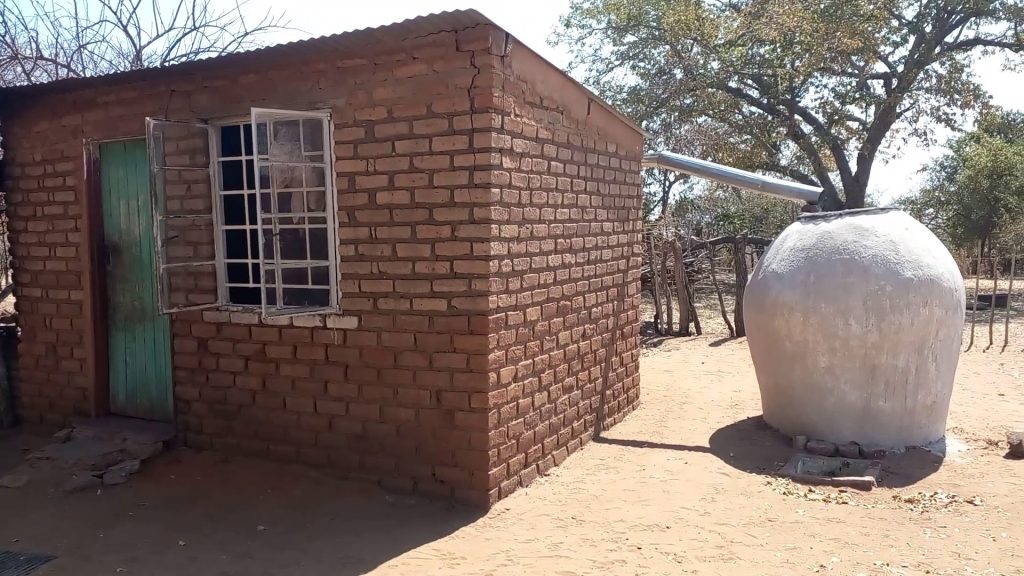
“This jar tank holds as much as 17 drums of water,” says Ndaba. “Used sparingly, this water can last me several months. I no longer have to endure the long walk to fetch water. I’m glad this intervention is helping not only the elderly but the entire community.”
Empowering Women
Women in Hwange, traditionally responsible for fetching water, are finding relief thanks to rainwater harvesting. “It’s a huge help,” says Annacleta Moyo. Previously, they walked long distances, especially during dry summers when boreholes dried up. Now, a full 5,300-liter tank can provide water for up to six months, allowing Moyo to wash, cook, and drink at home. “Climate change is causing water shortages, and this makes a big difference,” she adds.
Challenges Remain
Despite the hope offered by rainwater harvesting, significant challenges persist. Poor communities are most vulnerable to climate change’s impacts, facing difficulties accessing clean water and public facilities. Left with limited options, some are forced to use potentially unsafe sources, requiring long trips to fetch the precious liquid.