







The Citizen Bulletin is a hyperlocal digital news outlet dedicated to accountability journalism, solutions-focused reporting, and data-driven storytelling for the great region of Matabeleland. Join our WhatsApp Channel here.
HWANGE (The Citizen Bulletin) — Elizabeth Tshuma carefully tends to her thriving maize and butternut crops under the blazing sun in Kasibo, Hwange Matabeleland North province. It’s a stark contrast to the devastating drought gripping most of the district thanks to the community’s sustainable use and protection of a local wetland.
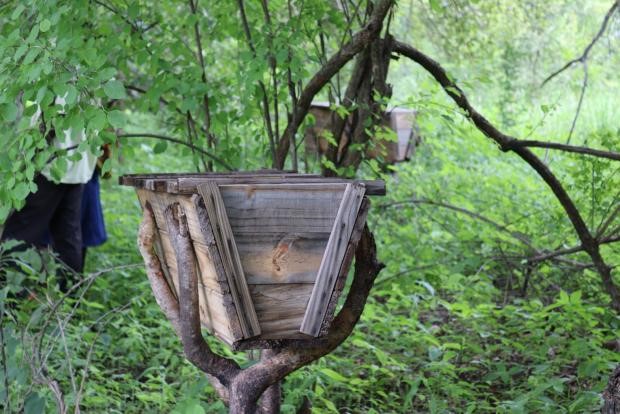
The wetland has been an oasis enabling the village to establish irrigation, gardens, beekeeping and fish farming. These projects have helped families put food on the table and earn income despite the climate crisis.
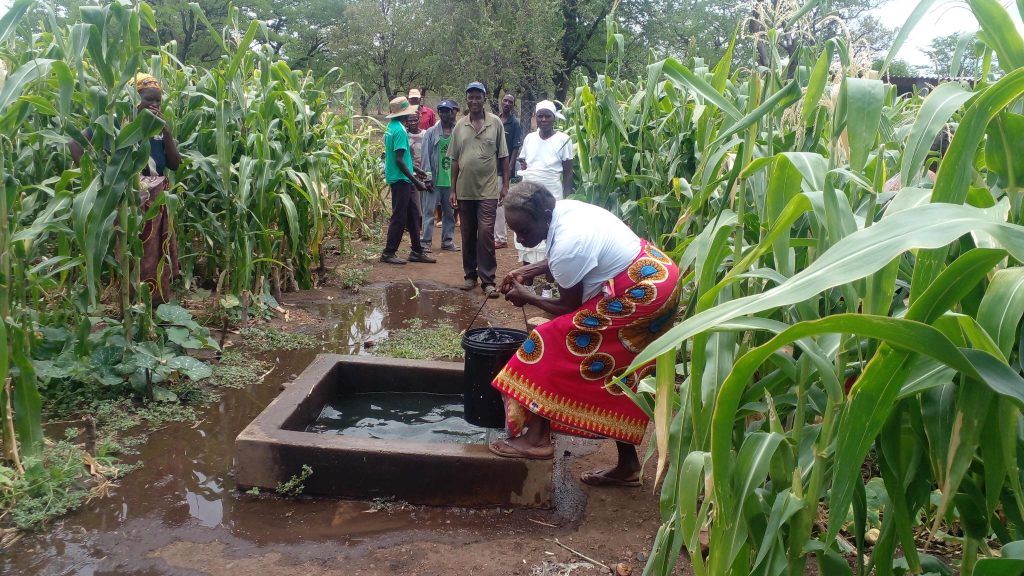
“The wetland has really turned things around for us,” says Tshuma, chair of the community garden. “Now our children are healthy and families can pay school fees. It’s our lifeline.”
Hwange, located in drought-prone Region 5, battles yearly rainfall shortages, poor soils and searing temperatures. But the Kasibo wetland, restored after years of degradation from overuse, is mitigating climate change effects and providing climate-resilient livelihoods.
Zimbabwe joined the Ramsar Convention in 2013 to protect wetlands, which cover 11,700 sq km of the country’s land area. But many face threats from development, agriculture and mining.
On World Wetlands Day, the Kasibo community offers hope for sustainable wetland management. After resuscitating their degraded wetland, they partnered with NGOs to establish the integrated projects. The wetland replenished the local weir and enabled irrigation for crops. With donated equipment, they now have overnight water storage and solar-powered food drying facilities.
“We realized the wetland could sustain our lives despite the droughts,” says Village Head Weza Nyathi.
Tshuma says they plan to expand irrigation with more solar pumps. The wetland also provides thatch grass, bees for honey production and supports 18 households. It’s a climate adaptation and mitigation strategy as Zimbabwe battles more frequent droughts.
“Despite the drought, this wetland helps us access water and nutritious food,” explains Tshuma. “It’s reducing the climate change impacts we face as women.”
Environmental bodies applaud the Kasibo community for leading the way in wetland restoration for sustainable development. With 60% of Hwange’s wetlands degraded, their efforts showcase how communities can manage resources amid climate pressures.