







The Citizen Bulletin is a hyperlocal digital news outlet dedicated to accountability journalism, solutions-focused reporting, and data-driven storytelling for the greater region of Matabeleland. Join our WhatsApp Channel here.
HWANGE (The Citizen Bulletin) — Streams of raw sewage snake through Abel Milazi’s house in Ward 2 under Hwange Local Board (HLB). In Hwange Colliery Company Limited (HCCL) and National Railways of Zimbabwe (NRZ) concession areas, Portia Ndlovu and Dorcas Phiri face similar dilemmas.
Hwange, a mining town in Matabeleland North, faces a unique challenge in solid waste management. The town is administered by four quasi-authorities: HLB, HCCL, Zimbabwe Power Company (ZPC), and NRZ.
Each manages its own services and amenities. However, viability challenges faced by HCCL and NRZ, combined with low revenue collection by the HLB, have led to the neglect of critical infrastructure like the sewer reticulation system.
The recent cholera outbreak, which claimed eight lives—primarily in the Colliery concession area—highlights the dire consequences of poor waste management. This outbreak underscores how the local authorities’ failure to rehabilitate water and sanitation infrastructure contributes to environmental pollution.
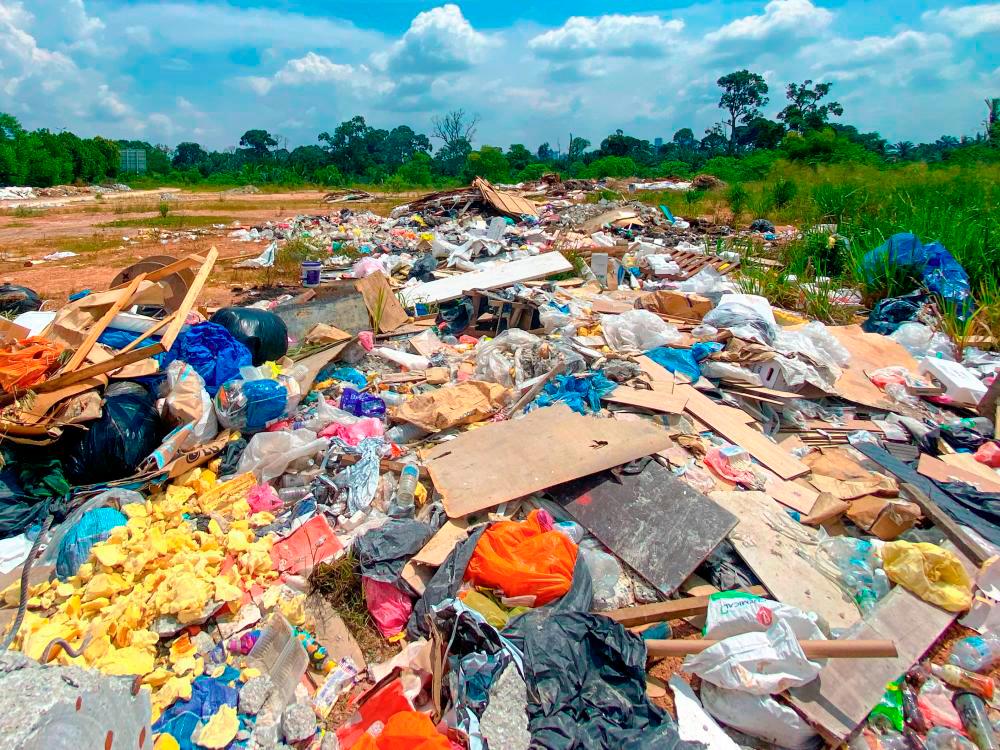
In both low- and high-density suburbs of Hwange, household waste collection is erratic. Although waste is supposed to be collected weekly, this often does not happen. Compactor trucks frequently fill up quickly after servicing just a few households, leading to illegal dumping sites near homes. Overflowing waste receptacles have become a common sight.
Many municipalities nationwide are struggling to manage the growing volumes of solid waste due to rapidly expanding urban populations. Hwange is no exception. The Auditor General’s 2019 report highlights that local authorities across the country face significant challenges with refuse management, posing serious environmental and public health risks.
Authorities across Hwange, including those in various concession areas, lack proper landfills and rely on open dumpsites, some of which reportedly operate without compliance with environmental legislation. Landfills, particularly sanitary ones where waste is buried, are considered the most cost-effective waste disposal method for small and midsize municipalities.
However, the Auditor General’s report warns that inadequate landfill sites can lead to increased pollution of land, air, and underground water sources through leachates.
Hwange residents argue the quasi-authorities’ failure to manage waste properly has put them at risk. They are calling for the amalgamation of these authorities to improve service delivery.
“Failure by the Colliery (HCCL), NRZ, and the Council (HLB) to manage solid waste is evident in the sewage flowing into homes and rivers. Residents are dumping rubbish everywhere because the local authorities have failed to manage waste collection,” says Simon Mpala, a resident.
Another affected resident, Barbra Ndlovu, adds: “The company (HCCL) has failed dismally in water and sanitation. There is also a need for innovative funding mechanisms to address environmental management concerns.”
Fidelis Chima, Coordinator of the Greater Hwange Residents Trust (GWRT), believes the dual administration of the town exacerbates the challenges.
“The dual administration is a major issue when it comes to maintaining a uniform standard of solid waste management,” he says. “Suburbs like Empumalanga West, Phase 4, and Baobab extension are particularly affected because they are not properly serviced.”
Chima argues the central government should assist in constructing standard landfill sites to improve solid waste management. He also urges the HLB to update its waste disposal by-laws in consultation with residents and other stakeholders to ensure their buy-in.
While offering solutions, Chima also highlights existing challenges, noting that companies like NRZ and HCCL face viability issues, which have contributed to the collapse of service delivery in their jurisdictions.
The country has several laws addressing litter and waste management. The Environmental Management Act (EMA), Chapter 20:27, Section 70 (1), prohibits waste disposal methods that cause environmental pollution or harm human health. The Urban Councils Act, Chapter 29:15, assigns local authorities the responsibility for solid waste collection, transportation, and disposal.
Despite these regulations, the Environmental Management Agency (EMA) reports that local authorities are failing to manage solid waste effectively, leading to serious environmental pollution.
“The issue of solid waste management is a growing concern in Hwange town, leading to serious environmental pollution. Waste generated from the concession areas and the council is being dumped in open dumpsites because none of these authorities have standard landfills.”
Nothani Ndlovu, EMA’s district environment officer
Ndlovu also says only Victoria Falls City is effectively managing its waste with an engineered landfill. She stresses that the lack of proper waste management in Hwange needs urgent attention, as water sources are being polluted by sewage and rubbish.
HLB argues it cannot construct a standard landfill due to funding constraints from low revenue collection, forcing it to rely on open dumpsites.
According to HLB, the lack of on-site solid waste handling practices, such as source separation and recycling, further burdens local authorities by increasing the amount of waste that needs to be collected and disposed of. They also note that disposing of compostable and recyclable materials in landfills represents a lost opportunity for revenue generation.
Reports indicate that in cities like Harare and Bulawayo, the informal sector generates significant income from collecting and selling recyclables.
Environmental experts argue recycling offers multiple benefits, including revenue generation, employment creation, conservation of natural resources, reduced waste collection burdens on municipalities, increased landfill lifespans, and improved public health and environmental protection.
A comment from the Ministry of Environment, Climate, Tourism and Hospitality Industry could not be obtained at the time of publication.