







It is 3 a.m. when the ambulance leaves Nkayi.
Sikhathele Ncube, 28, seven months pregnant and with rising blood pressure, lies on a narrow stretcher as the vehicle turns onto the road connecting Nkayi to the outside world.
The driver knows this road. Everyone in Matabeleland North does. It is a stretch of potholes and gravel that runs through communal land and cattle crossings before reaching a major hospital.
They are not going to a hospital in Nkayi. None is equipped to manage what is happening inside Sikhathele’s body.
So they drive.
The ambulance jolts and shudders. Sikhathele grips the metal rail. Her mother, allowed to ride alongside, watches her daughter’s face in the dark.
The nearest facility with an obstetrician is in Bulawayo, 168 kilometers away.
They do not arrive in time.
Sikhathele’s story is consistent with reports across Matabeleland North, where patients are routinely transferred long distances for treatment unavailable locally.
The province is the only one in Zimbabwe without a fully functional provincial hospital. Deaths have been reported during referrals.
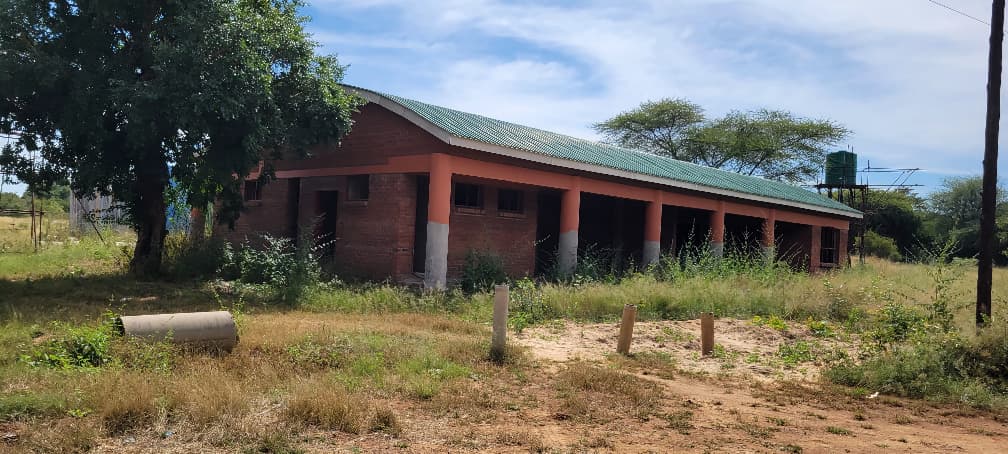
A 250-bed hospital has been under construction in Lupane, the provincial capital, since the early 2000s.
More than two decades of budgets, ministerial visits and parliamentary assurances have passed without the hospital being completed.
On April 14, 2026, Deputy Health Minister Sleiman Timios Kwidini told the National Assembly the hospital would begin offering services, starting with outpatient and maternity care in phases.
“To offer only maternity and outpatient services after a generation of waiting feels like a drop in the ocean when our people are dying from cancer and kidney failure because we have no specialist machines here,” says Vusumuzi Ndlovu, a community leader in Lupane.
When Lupane was designated provincial capital in 1999, a hospital was part of the plan. At the time, residents relied on St. Luke’s Mission Hospital in the district and referrals to Mpilo Central Hospital in Bulawayo.
That arrangement continues.
Construction of the Lupane hospital has stalled repeatedly.
By one parliamentary account, 22.7% of the project has been completed. Contractors cited payment delays and currency disputes, including workers refusing payment in ZiG and demanding U.S. dollars.
Some sections of the hospital reached about 70% completion, including the pharmacy, casualty unit and postnatal wards, before work slowed due to funding constraints.
In 2026, the government allocated ZiG 540 million (about $22.5 million) to the project.
Despite this, the hospital will initially offer only outpatient and maternity services.
There will be no radiotherapy, no cancer diagnostics and no specialist equipment for conditions already affecting residents.
Radiotherapy machines, the deputy minister says, are being installed at Parirenyatwa Group of Hospitals in Harare and Mpilo Central Hospital in Bulawayo.
The absence of a provincial hospital is reflected in the distances patients have to travel.
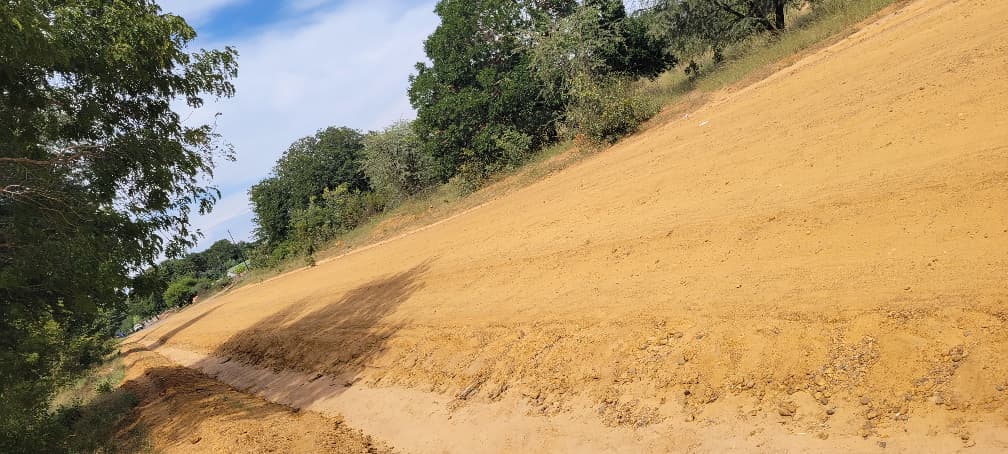
Binga is about 320 kilometers from Bulawayo. Parts of the road become difficult to use during the rainy season, and the district has no facility equipped for surgical emergencies.
Nkayi is about 168 kilometers from Bulawayo, and ambulances make the trip when cases exceed the district hospital’s capacity.
Power outages at Nkayi District Hospital have disrupted services, leaving the theater without electricity and forcing nurses at times to rely on mobile phone light.
According to sources who spoke to The Citizen Bulletin off the record, a man with fractures and a spinal cord injury died after the ambulance transporting him broke down. There was no electricity the night he died.
Mpilo Central Hospital serves multiple provinces, including Matabeleland North. Its maternity unit handles between 8,000 and 10,000 deliveries annually.
“They don’t check or treat diabetes or cancer. They just refer you to Bulawayo.”
Thubelihle Mabuza Ncube, Nkayi Ward 19 Councillor
Fortune Ncube remembers the journey from Binga to Bulawayo.
Pregnant with her second child, she first sought care at a local clinic, then at St. Luke’s Mission Hospital in Lupane. She was referred to Bulawayo.
The road was in poor condition, with potholes throughout. By the time she arrived, she was exhausted.
She delivered at Mpilo and survived but spent a week away from home and her income-generating activities.
When she returned, services at her local clinic had not changed.
Another woman, Patricia Nyoni, did not survive.
She was 35 and pregnant when she was referred from Nkayi to Bulawayo. The ambulance she was traveling in overturned near Inyathi. She died before reaching the hospital, according to eyewitness accounts.
There is no official record of how many people have died along referral routes between Matabeleland North and Bulawayo.
However, such deaths are reported by families, community leaders and health workers.
“We have lost too many people because we cannot afford transport to Mpilo in Bulawayo for a scan,” says Sihle Moyo, a villager from Dandanda in Lupane.
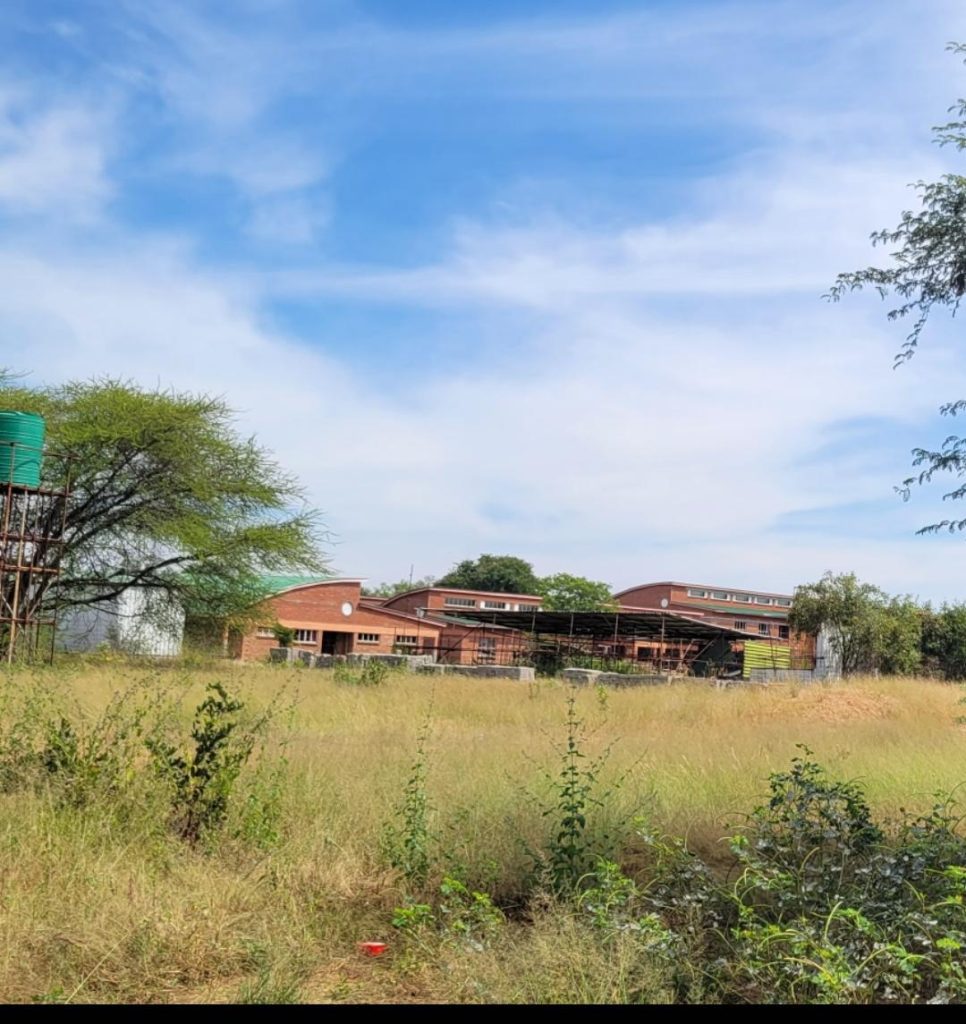
The phased opening of the Lupane hospital is intended to improve access to maternity and outpatient services.
But it does not address the absence of specialist care.
“Opening maternity is good, but our biggest concern is serious illnesses. We need specialist machines and doctors here in Lupane,” says Dumani Sibanda, a resident of Fatima in Nkayi.
A hospital requires trained personnel, equipment and reliable utilities.
But Nkayi District Hospital cannot perform surgical operations. Patients requiring surgery are transferred to Bulawayo.
St. Luke’s Mission Hospital has handled much of the referral workload for two decades, despite limited capacity.
Matabeleland North residents have followed construction of the Lupane hospital for more than two decades.
“We have seen the walls of this hospital rise and fall with the seasons,” says Ndlovu.
Construction has resumed, but Ndlovu describes it as part of a pattern that has repeated over the years.
For many residents, a fully functional provincial hospital remains out of reach despite repeated assurances from government officials.
Editor’s note: At the time of publication, the exchange rate was approximately $1 to 24 ZiG.